
NC Bus Accident Attorneys: Proven Success for Victims
A bus accident is a chaotic and life-altering event that leaves victims with serious physical pain and mounting financial pressure. Because of the size and weight of these vehicles, the impact is often catastrophic, leading to extensive medical bills and long recovery times. In the immediate aftermath, you may feel pressured by insurance companies to accept a quick settlement, but doing so can prevent you from getting the full support you need. Working with experienced NC bus accident attorneys is the most effective way to protect your rights and ensure you are not left carrying the financial burden of someone else’s negligence.
At Harman Law, we understand that these cases are significantly more complex than standard car wrecks. This guide outlines the proven path to success for victims navigating the North Carolina legal system.
Common Causes of Bus Crashes in North Carolina
Bus accidents rarely have a single cause; they are often the result of a combination of factors that put passengers and other drivers at risk. Human error remains the leading contributor to these collisions. Driver fatigue is a persistent issue, especially for commercial or long-haul bus operators who work extended shifts with minimal breaks. Distraction is another major hazard, whether the driver is looking at a mobile device, interacting with on-board electronics like GPS and fare boxes, or managing loud and disruptive passengers.
Mechanical failure also plays a significant role in many North Carolina wrecks. Because buses are heavy, complex machines, they require rigorous and regular maintenance. When companies cut corners on inspections or ignore worn-out brakes, faulty steering systems, or balding tires, they create a ticking time bomb on the road. Finally, external factors such as hazardous weather—like sudden heavy rain or icy morning roads—can increase stopping distances, making it impossible for a bus to avoid a crash if the driver fails to adjust their speed.
NC Bus Accident Attorneys: Proving Liability
Proving who is responsible for a bus crash is a multi-layered process that requires deep legal knowledge. In our state, buses are classified as “common carriers” because they transport people for a fee. This classification is vital because common carriers are held to a much higher standard of care than typical drivers. They are legally required to use the highest degree of vigilance to protect their passengers, and even “the slightest neglect” can be grounds for a lawsuit.
Experienced NC bus accident attorneys look beyond the driver to identify all potentially liable parties. Depending on the facts, responsibility may lie with:
- The Bus Company: For failing to properly vet and train drivers or for pushing them to meet unrealistic schedules.
- Maintenance Contractors: If a third-party company was hired to service the fleet but failed to fix a known defect.
- Parts Manufacturers: If a catastrophic failure, such as a tire blowout or brake malfunction, was caused by a defective part.
- Government Entities: If the accident involved a public transit bus or a school bus, though these cases involve unique rules regarding sovereign immunity.
Evidence That Strengthens Your Injury Claim
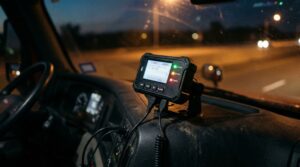
Building a successful claim requires more than just your account of what happened; you need objective, hard-to-dispute evidence. One of the most powerful tools in these cases is “black box” data, technically known as the Electronic Data Recorder (EDR). These devices record critical information in the moments surrounding a crash, including the bus’s speed, when the driver applied the brakes, and even if seatbelts were in use.
In addition to electronic data, we look for:
- Maintenance and Inspection Logs: These can prove that a bus was kept on the road despite needing repairs.
- Hours-of-Service Records: Driver logbooks can reveal if an operator was driving illegally long hours without rest, leading to fatigue.
- Video Footage: Many modern buses are equipped with internal and external cameras that capture the exact sequence of events.
- Witness Statements: Neutral accounts from other passengers or bystanders can confirm driver negligence.
Because this evidence can be overwritten or lost quickly, acting fast is critical to preserving the proof needed for your case.
Navigating Contributory Negligence and Insurance
North Carolina is one of the few states that follows a “pure contributory negligence” rule. This is a harsh law that bars a victim from recovering any compensation if they are found to be even 1% at fault for the accident. For example, if you were a passenger and an insurance company can argue you were distracting the driver or standing when you should have been seated, they may try to deny your entire claim.
Insurance adjusters are experts at using this rule to their advantage. They may record your statement and look for any minor inconsistency to suggest you shared the blame. This is why you should never provide a statement or sign any documents without legal counsel. A skilled attorney knows how to refute these “contrib” allegations by presenting evidence that shows you acted reasonably and that the other party bears the full weight of the responsibility.
Understanding the Statute of Limitations and Timelines
In North Carolina, you have a limited window to file a legal claim after an accident. This deadline is known as the statute of limitations. For most personal injury claims, the limit is three years from the date of the injury. However, if the accident resulted in a tragic loss of life, a wrongful death claim must generally be filed within two years of the date of death.
While two or three years may seem like a long time, the reality is that the most critical evidence—like dash cam footage and black box data—can disappear within weeks. Additionally, if your claim involves a public transit or government agency, there may be even shorter notice requirements or specific administrative steps that must be taken before a lawsuit can be filed. Missing these deadlines can permanently bar you from ever seeking compensation, which is why early legal intervention is so important.
Contact an NC Bus Accident Attorney
Dealing with the aftermath of a bus crash is overwhelming, but you do not have to do it alone. The legal team at Harman Law is here to handle the complex investigations and aggressive insurance negotiations so you can focus on your health and your family. We are dedicated to holding negligent bus companies and drivers accountable for the harm they cause.
If you or a loved one has been injured, don’t wait to seek help. We offer free consultations to review the details of your case and help you understand your best path forward. Contact Harman Law today to speak with an experienced advocate and take the first step toward the settlement you deserve.