
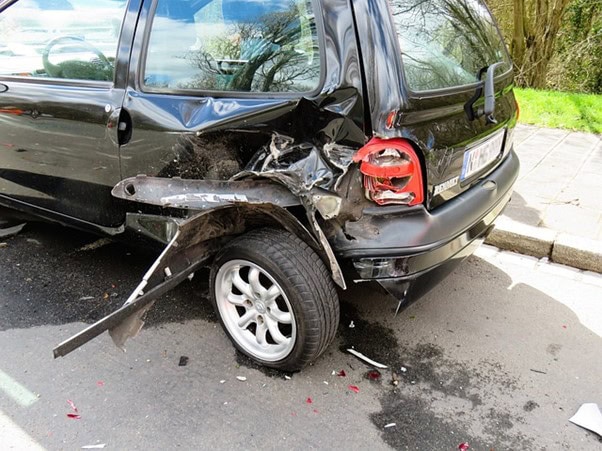
Experiencing an automobile accident can be highly stressful and traumatic for a number of reasons, and for most of us, it’s something we don’t even want to imagine. But for anyone who is using the road it is something we need to think about being prepared for. Among the most important considerations in a vehicle accident is what you need to do in the immediate aftermath. There are certain legal requirements that need to be met, such as how long do you have to report an accident. In this article we will look at what those are and also how (and when) they need to be followed.
What are your immediate steps after an accident?
It helps to think about your steps after a car accident in terms of a checklist. There are things you need to do, and if you do them in order it will be a lot easier both to tick them all off and to emerge from the accident in the best way for the future.
Ensure safety and call 911
The single most important priority in an accident is to ensure that everyone is safe. If possible, you will need to move to a safe location and then call 911, giving the dispatcher all the information you can. Tell them where you are, how many vehicles were involved, any injuries that you know of, and the extent of damage to all vehicles. North Carolina law specifically states that any accident resulting in death, injury, or damage that may cost $1,000 to repair must, by law, be reported as soon as possible.
Exchange information with other drivers
As difficult as it may be at this stage, all drivers involved in the accident will need to exchange salient information: names and addresses; drivers’ licence numbers; license plate numbers; and insurance details. This will make any resulting insurance claims simpler.
Document the scene
Any investigation into the accident will run more smoothly if it has more information, and if that information can be corroborated with as much information as possible. Take photos of the accident scene, any damage that has been caused to the vehicles, and any injuries that may have resulted.
Seek medical attention
Even if you feel absolutely fine, it is important to speak with a doctor in the aftermath of a crash. Your injuries may be minor, but they still need to be included in an accident report. Also, some injuries aren’t obvious to the person who has experienced them – concussion can go unnoticed by the person suffering it, for example – and your official medical records may be requisitioned by the insurance company.
Understanding legal time limits
Acting after a car accident isn’t just
about what you do; it’s also very much about when you do it. Understanding how long you have to report an accident in the aftermath of an accident is important. Here
are some things you need to know:
North Carolina statute of limitations
The term “statute of limitations” refers to a period of time in which it is possible to initiate legal proceedings. In the case of bringing a case for personal injury, or for property damage, North Carolina specifies a period of three years from the date of the incident – barring special circumstances, which we will cover more in a moment.
Wrongful death claims
If an accident has led to the death of anyone involved, then a case for wrongful death may be brought within a period of two years. In contrast with the statute for injury or property damage, the two-year period in a wrongful death suit begins from the date of death.
Exceptions/Special circumstances
While the statute of limitations is generally seen as inviolable, there are specific exceptions that can be taken into account. If the injured person in an accident claim was a minor at the time of the crash, then the period for a claim can be extended. Also, if the at-fault party in the accident was uninsured or fled the scene, this constitutes special circumstances that change the time limits.
Consequences of delayed reporting
It can be tempting to rationalize whether you really need to report an accident; to convince yourself that not much damage has been done, nobody has really been hurt. But if there is any question in your mind at all, you must report. There are several reasons for this:
Penalties for failure to report
Failure to report an accident can lead to penalties which run from fines to potential criminal charges. If you are in an accident which caused injury or death, you could face a custodial sentence for failing to report it when you should have – and not knowing that this is a requirement does not negate your guilt in the eyes of the law.
Impact on insurance claims
The sooner an insurance company has the relevant paperwork, the easier it is for them to sign off and pay out on a claim. If you drag your feet on reporting the incident, it can result in delayed or even denied payouts.
Loss of legal rights
If you did not report an accident at the time it happened, then your rights to redress over any injury or harm that resulted from the accident will be impaired. If you have a claim for damages, such as lost earnings or medical expenses, reporting the accident immediately will vastly improve your chances of receiving recompense.
Degradation of evidence
Time is a factor in any legal case, and there are many reasons for this. Witnesses’ memories can fade, documentation can be lost, and physical evidence at the scene of the accident can be lost, among other issues. This can make it impossible to sufficiently corroborate a claim, and is why it is important to preserve evidence by reporting in a timely fashion.
How to report an accident properly
Report to the authorities
In North Carolina, it is legally incumbent upon you to report an accident where there is injury, death, or property damage of more than $1000. If you don’t know the monetary extent of any damage, it is wise to assume it is at least $1000; it is better to report when it’s lower than to fail to report when it is higher. Report to the local police, Sheriff’s department, or highway patrol, and be prepared to give them full details of the accident as you remember it, along with your licence details, insurance information and vehicle registration.
Inform your insurance company
To ensure the prompt processing of any claim it is essential that you inform your insurers of the details of the accident, including the police report number, any documentation and pictures of the accident, and contact details of any witnesses.
Document everything
You cannot be sure when you will be asked to provide evidence of some or all elements of your claim. For that reason, it is important to keep full documentation of everything: photos of the accident; police reports; initial insurance claim records. Everything that pertains to the accident should be kept – and ideally, keep more than one copy to protect against loss.
In summary, while you may have as long as three years, legally, to seek redress for the results of an accident, the need to report it as soon as possible is clear. The sooner you do, the more completely an accident can be fully investigated, and the more completely any compensation resulting from it secured.