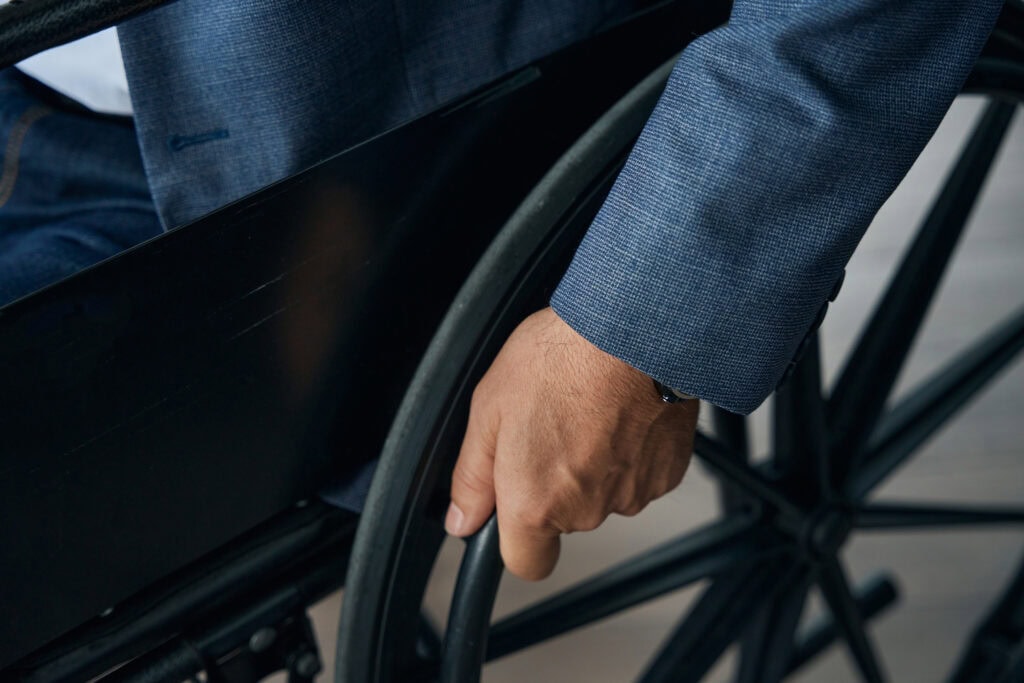

An Injury Victim’s Ability to Work
Permanent Partial Disability, or PPD, is a disability rating related to injuries sustained after an accident that affects the patient’s ability to work. Generally speaking, the injured party can still work, but not at the same level they once could due to injuries sustained. This means their earning potential can be affected for the rest of their career.
How is PPD Determined?
Medical personnel that has been monitoring and treating the patient can determine what disability rating the patient has. A disability rating of 0% to 100% is determined after the patient has received medical treatment and recovered as much as possible. If the rating is deemed to be 100%, the patient could pursue total disability. If it is determined that the rating is between 1 and 99%, the patient is considered to be eligible for PPD.
For example, if an injured party suffers a significant injury to their shoulder and requires medical treatment and physical therapy, they will complete this therapy based on the doctor’s recommendations. Once they have fulfilled all advised treatment, if they are still unable to use their shoulder at the same level that they were before the accident, a disability rating will be calculated by the doctor.
What Factors Determine PPD Calculation?
PPD is calculated based on 66.67% or ⅔ of the employee’s average weekly income over the past year. If the injured employee has worked for the employer for less than twelve months, exceptions will be determined case-by-case.
One of the other main factors is the body part that was injured. Each area of the body will have a certain number of weeks determined by the state that the injured party can receive compensation. Suppose the injured party can’t use their finger, for example, as they used to. In that case, this generally will be calculated as fewer weeks of compensation than would be necessary for a back injury.
The disability rating that the doctor places on the patient is also a factor. The higher the rating or percentage, the higher the compensation you may be eligible for, as factored into the calculation.
What Can I Do to Protect Myself and My Family if I Have a PPD?
Document everything as explicitly as you can. This means from the moment the injury happened to the medical treatment you or your family member sought and any details regarding their pain level. It can be easy to forget details as time passes. Having thorough documentation can help you keep the necessary facts straight and set you up for success should you need to obtain compensation in the future.
Entrust the help of an experienced attorney that has a proven track record of helping others with PPD cases. They will have a different perspective based on experience than other attorneys. They can help you prepare effectively to ensure you have been compensated accordingly and not settle for less than you deserve.
Contact our offices today to speak with an experienced attorney regarding your case’s specifics and learn more about how we can help you and your family move forward.