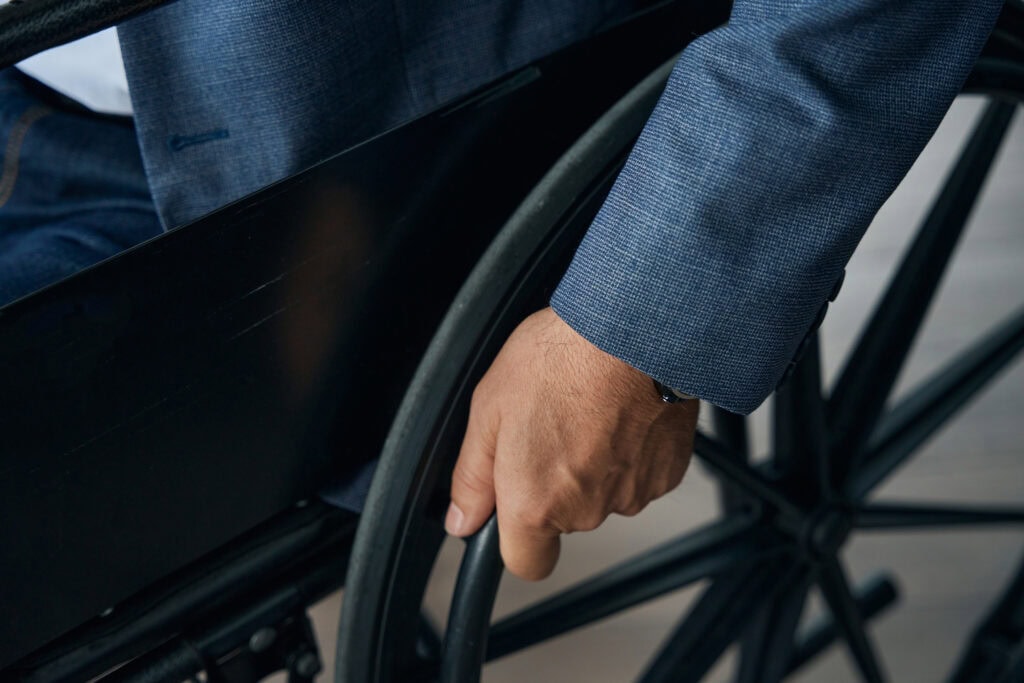

Unseen Challenge: Discrimination
A work-related injury can change your old ways of functioning. Things may get complicated in every meaning – financial, emotional, and physical. Sometimes a work-related injury leads to discrimination in the workplace as well.
Besides the pain you feel, you will face other things such as going to multiple medical appointments, trying to do your work like you used to do prior to the injury, going to medical appointments, making changes in your work situation and even seeking help with your worker’s compensation claim.
But, all of these are something that you will go through only temporarily, or as long as you get better.
There is another issue that injured workers may have to deal with – discrimination from their employers based on the injury they got in their workplace.
Your Employer Discriminates You Because of Your Work-Related Injury
It is quite unpleasant and not fair when such discrimination happens, but the truth is it happens much more frequently than you think. Discrimination against disabled or injured employees can happen in any workplace.
Here are some examples of discrimination towards work-related injuries:
- Bullying or harassment of a worker because of a work-related injury or disability
- The employer does not do anything to adjust the needs of an injured or disabled employee
- The employer does not do anything to promote an employee because of their work-related disability or injury
- Wrongful termination because of work-related injury or disability
- Unfair treating of an employee because of an injury that happened in the workplace
There are many other types of discrimination and should not be ignored. If you feel like you are anyhow discriminated due to your work-related injury, talk to your employer and if they deny it, consult an attorney who practices employment discrimination.
What Options Do Federal Employees Have?
Discrimination, harassment, and retaliation against an employee because of an injury or disability are illegal. Federal employers should make reasonable accommodations to injured or disabled employees, except when that is difficult or expensive.
Federal employers will be responsible if and when they make discrimination against an employee who got injuries at work. Discriminated federal employees have legal rights and may be suitable for compensation.
Workers’ Compensation Discrimination
It can take many forms, from removing responsibilities from the injured employee to getting a reason to stop the employee from coming back to work. Workers’ compensation discrimination may not consider workers’ compensation employees for promotion; it can reject the process of applying for workers’ compensation benefits, as well as threats to discourage the injured employee from filing for these benefits.
If your employer treats you or begins to change once you file for workers’ compensation, you should consult an attorney to learn more about your rights.
Your workers’ compensation attorney will thoroughly investigate your case. Many cases occur from wrongful termination after employees return to work. Your attorney will evaluate the history of your company, additional terminations, and workers’ compensation cases, so they can determine if there is discrimination.
What to Do in Cases of Work-Related Injury Discrimination
If you suspect you are discriminated against because of your work-related injuries or because you decided to file for worker’s compensation benefits, make sure you remain calm and keep yourself from saying anything that later can be misconstrued and used against you in court.
Consult with an attorney about this case. You might need witnesses for the discrimination (co-workers). If you can document any conversations or video situations that will prove the discrimination.
You can take actions such as a lawsuit for general employee discrimination (under the Fair Employment Housing Act).
Also, your case may get to the worker’s compensation forum, and you can get up to 50% or higher compensation (only in case if you can prove the discrimination).
If you feel that you were discriminated because of your injuries at your workplace, it is time to do something about it.
Feel free to take action because it will help other injured workers that were discriminated to follow your lead. This will improve the working environment and prevent further similar cases.
Our discrimination lawyers at Harman Law, have seen quite often what discrimination does to a person’s confidence and self-esteem. We are here to let you know that you are not alone. Discrimination happens all the time, but that does not mean that you should take it and let it pass by as if it is a normal thing.
If you decide to take action, contact Harman Law today to schedule your first consultation and let us fight for your rights.