Why is Saving Evidence Important?
It’s important to try your best to take and keep evidence for your personal injury claim. Finding and saving evidence once the accident happened is crucial. It will strengthen your documents so you will have a strong injury claim.
If you aren’t able to go back to the accident scene, someone close to you or your personal injury attorney can do that. Any evidence or witness testimonial can make your case stronger.
Let our North Carolina car accident attorneys explain what you need to do about this.
Go Back To the Scene
If the accident happened on a road or at someone else’s property, go back to the scene as soon as possible. Locate any remaining evidence at the scene and take photographs. Any conditions that seem to have caused the accident should be photographed. When the accident happened you were perhaps not even aware of these little things, but now with a clearer head, you might start noticing.
Things like a worn spot where you fell could be good evidence for your case. If it was a car accident, you may find a traffic sign that wasn’t working.
Take photographs of the accident scene from various angles. The photos should be clear and visible so they can help the insurance company to create a settlement for you. It would be best if you can take the photos at the same time of the day when your accident occurred. If it was an auto accident, make sure you take photos the same day, showing the amount of traffic on the street
Save Physical Evidence
Physical evidence for your personal injury claim can help in determining fault for an accident. The physical evidence is something you can touch or see. For example, it can be a hole in your car that shows where it was hit, or it can be faulty stairs, no sign for a slippery floor, etc.
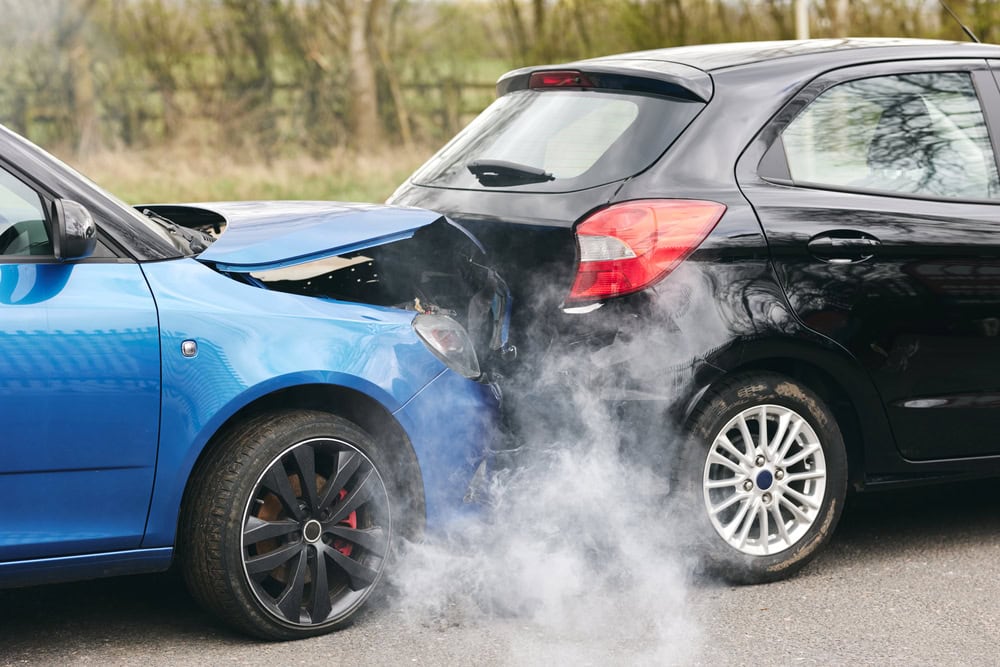
The physical evidence can be great proof of your injuries. Damages to your vehicle can show how hard the impact was, or your bloody clothes can show that you had serious physical injuries.
Give your best to preserve any physical evidence just as it was when the accident occurred. In case you can’t preserve the physical evidence, at least take photographs. Show these photos as evidence to an insurance company as proof of your accident.
How to Take Good Photographs
Sure, most of us have smartphones with good cameras that can show sufficient details. If you can use an actual camera, it would be even better.
Take as many photos as you can, and take them from different angles. Later you will pick the ones that show the best details of what happened. These photos will help the insurance company to determine your claim.
If you can, take photos as soon as the accident occurred so they can show the exact condition of the evidence, your injuries, and damages.
Make sure that there is a time stamp on the photos for even better accuracy.
Find Witnesses
If there were witnesses when the accident happened, it could be of great value for your case. A witness can describe how things exactly happened, and they can back up your story.
They can provide you with information that you weren’t even aware of; this info can show that the other person was at fault. Even if the witness didn’t see how your accident happened, but saw you in pain, can help your case immensely.
You should act fast; contact the witness as soon as the accident happened, otherwise you may never be able to find the person. Even if you find them, their memory might not be as fresh as it will be moments after the accident.
Document Your Injuries
The best way to keep the evidence of your injuries is to go to a doctor, take photos of any cuts, bruises, visible marks, or swelling. If you got any bandages, casts, splints, or other devices, take photos (with timestamps) as well.
Having a medical record of your injuries and photos (if that is possible) you will have a better chance to have a higher settlement.
Your physical injuries will heal and may not look serious as they were at the beginning, so if you don’t take photographic evidence for your personal injury claim from right after you got your injury, the insurance company may not believe that your injuries were so severe.
If you were injured in an accident and fear that you might not gather all the evidence or that you don’t know how to go through the process of getting your claim, contact our team today to start a Personal Injury Intake.