Yes, you can sue a third party for a work injury in North Carolina when someone outside your employment relationship caused your accident. N.C. Gen. Stat. 97-10.1 preserves your right to file a civil personal injury claim against that outside party even while you collect workers’ compensation benefits. The two claims run on separate tracks, and you do not have to choose between them. According to the North Carolina Industrial Commission, workers injured on the job have clear statutory rights to pursue both avenues of recovery simultaneously.
Why Can’t I Just Sue My Employer in North Carolina?
Workers’ compensation is the exclusive remedy against your employer for a workplace injury under N.C. Gen. Stat. 97-9 and 97-10.1. You give up the right to sue your employer in civil court, and your employer gives up the right to argue the accident was your fault. Medical bills and a portion of lost wages get covered without a lawsuit.
Narrow exceptions do exist:
- Woodson claim: If your employer engaged in conduct substantially certain to cause serious injury or death, you may have a civil claim outside the workers’ comp system. This is a high legal bar that applies in rare circumstances and requires proof the employer knew injury was substantially certain to occur, not merely that the workplace was dangerous.
- Uninsured employer: If your employer lacked required workers’ comp coverage, separate remedies may be available.
- Retaliation claim: If your employer punished you for filing a workers’ comp claim, that is a separate violation under the Retaliatory Employment Discrimination Act.
Who Counts as a Third Party in a North Carolina Work Injury Case?
A third party is anyone outside your employment relationship whose negligence contributed to your injury. Common third parties in North Carolina workplace accident cases include:
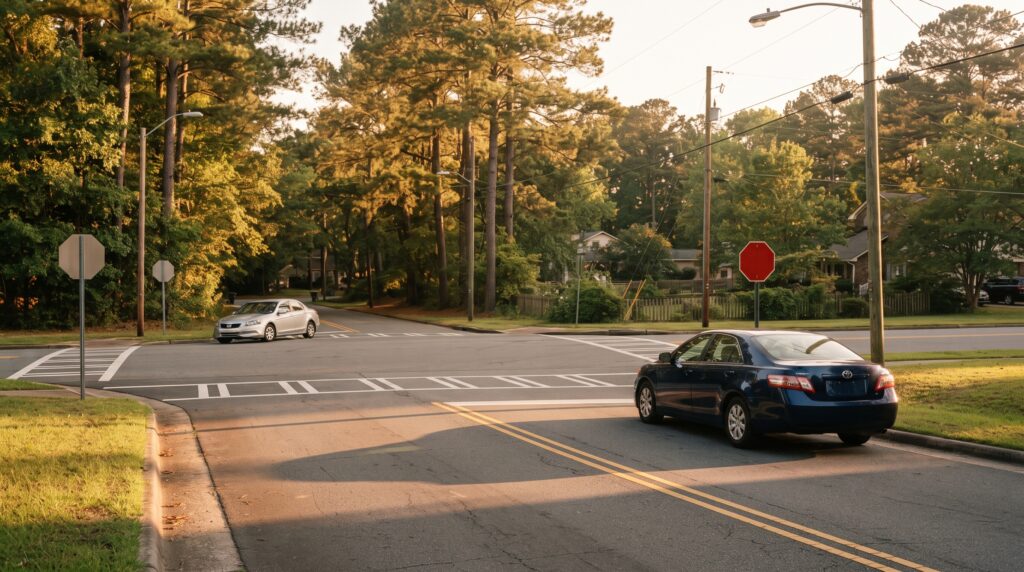
- Negligent drivers: A motorist who hits you while you are driving for work, making deliveries, or traveling between job sites.
- Property owners: A business or landowner whose hazardous condition caused your fall or injury during work.
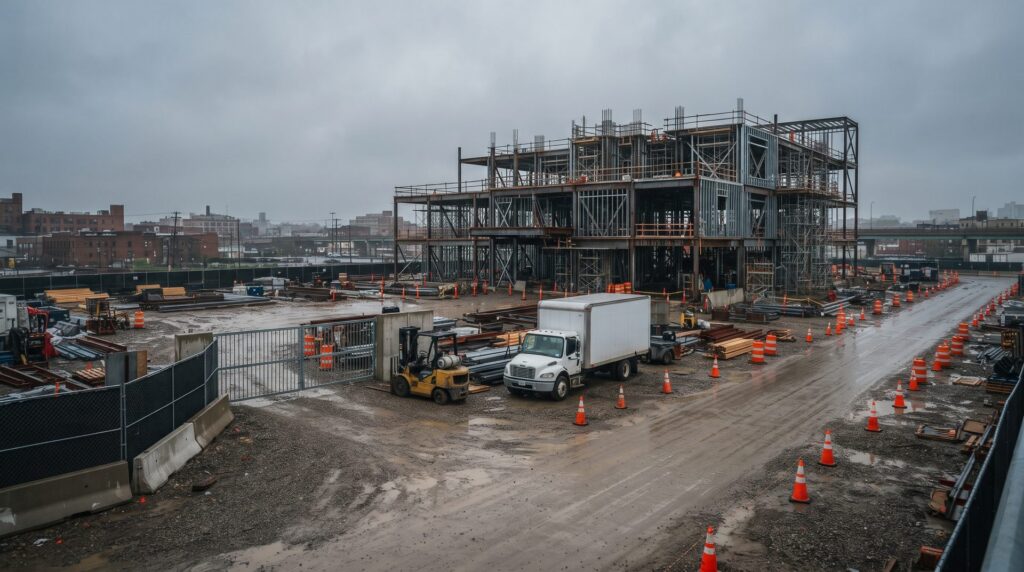
- Contractors and subcontractors: A separate crew on a shared job site whose unsafe practices led to your accident.
- Equipment and machinery manufacturers: A company that designed or distributed a defective tool or machine, regardless of who owns the equipment on site.
If the person or entity who caused your injury stands outside your employment relationship, a third-party claim is likely available under N.C. Gen. Stat. Chapter 97.
How Do the Two Claims Work Together in North Carolina?
Filing a workers’ compensation claim in North Carolina and pursuing a personal injury lawsuit against a third party happen through separate processes with separate deadlines. Workers’ comp covers medical bills and two-thirds of your average weekly wage. A third-party civil claim adds damages that workers’ comp does not pay, including pain and suffering and full lost earnings.
Under N.C. Gen. Stat. 97-10.2, your employer’s workers’ comp insurer has a legal right to be repaid from any money you recover from the third party. That subrogation lien is negotiable in many cases but must be addressed before any settlement is finalized.
North Carolina follows pure contributory negligence, meaning if you were even one percent at fault you normally recover nothing from the third party in a civil lawsuit. Last clear chance is a recognized but narrow exception. This strict standard does not affect your workers’ comp benefits, which are paid on a no-fault basis.
Statutory deadlines govern both claims:
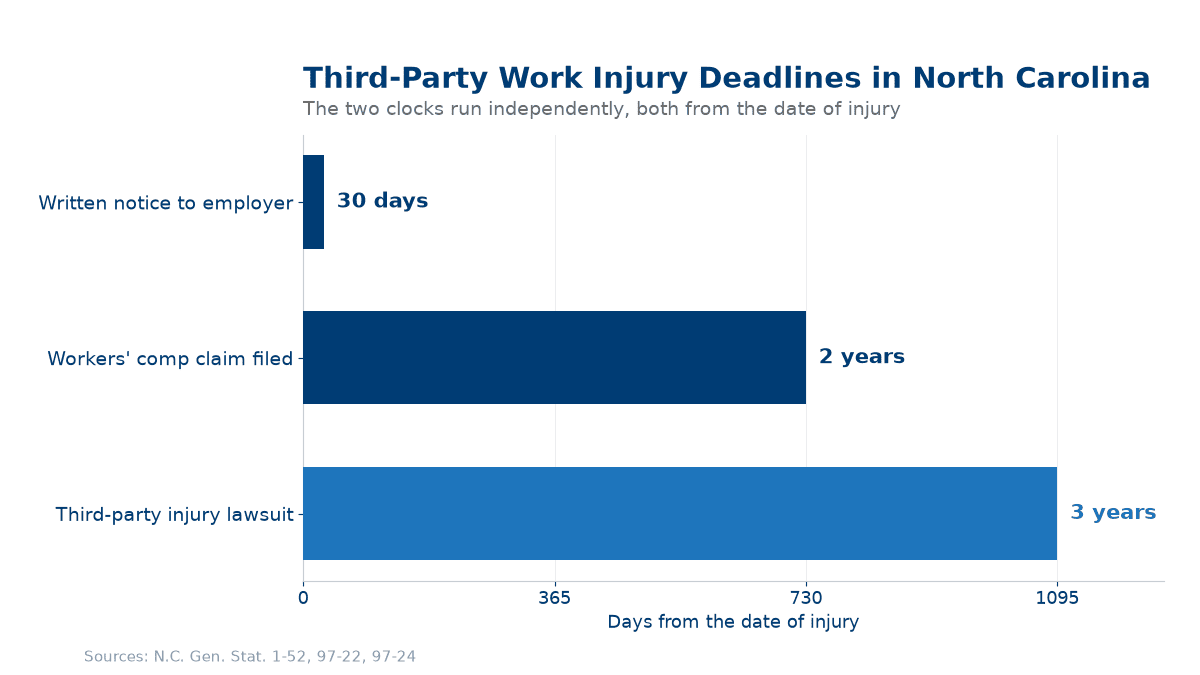
- Workers’ comp: Written notice to your employer within 30 days of injury under N.C. Gen. Stat. 97-22, and a formal claim filed with the Industrial Commission within two years under N.C. Gen. Stat. 97-24.
- Third-party personal injury lawsuit: Three years from the date of injury under N.C. Gen. Stat. 1-52.
These clocks run independently, and missing either deadline is entirely avoidable.
Where Do Work-Related Accidents Happen Most Often in Huntersville?
Huntersville sits at the intersection of major freight and commuter corridors: NC-115, Sam Furr Road (NC-73), and I-77. NCDOT crash data is published by county and year, so the crash pattern along that corridor is a matter of public record. Workers hurt in crashes near it are frequently employed by one company but injured by a driver working for another, which creates a straightforward third-party claim.
Active construction throughout the Birkdale, Gilead Road, and Northcross Drive corridors means shared job sites with multiple contractors. A worker injured by another crew’s negligence has a viable claim against that separate employer. Distribution and warehouse operations near Exit 23 on I-77 generate vehicle-pedestrian and forklift-related exposures; workers employed by contractors separate from the property owner should ask whether the property owner controlled the conditions that caused the injury.
What Steps Should a Huntersville Worker Take Right After a Third-Party Injury?
- Report the injury in writing within 30 days. N.C. Gen. Stat. 97-22 requires written notice to your employer to preserve your workers’ comp claim.
- Document who controlled the scene. Note which third parties were present, what company they worked for, and what conditions existed before the site is cleared. Photographs and video are valuable.
- Seek medical care promptly. Tell your provider the injury happened at work so records reflect the correct cause. Gaps in treatment create problems in both claims.
- Avoid recorded statements to other insurers. Do not give a recorded statement to any insurer other than your employer’s workers’ comp carrier before speaking with an attorney.
- Note both statutory deadlines. The three-year clock under N.C. Gen. Stat. 1-52 and the two-year workers’ comp deadline under N.C. Gen. Stat. 97-24 both begin on the date of injury.
How Does Harman Law Handle Both the Workers’ Comp and the Third-Party Claim?
The workers’ compensation claim and the personal injury lawsuit involve different filings, different evidence standards, and different legal tracks. Coordinating them from the same office means the subrogation lien under N.C. Gen. Stat. 97-10.2 is identified and tracked from the beginning, not discovered at settlement when it can catch injured workers off guard.
Harman Law’s personal injury lawyers serving Huntersville and the greater Charlotte metro handle both sides of the injured-worker problem. If the injury involves a vehicle collision during the course of work, the firm’s car accident lawyers can evaluate the third-party claim alongside the workers’ comp case. Harman Law also handles Social Security Disability if your injury prevents a return to work, so the same team can guide you through that next step without starting over with a new firm.
Schedule a Consultation at Harman Law in Huntersville
If you were hurt on the job in Huntersville or anywhere in Mecklenburg County and a third party may have contributed to that injury, time matters on multiple fronts. Harman Law PLLC serves clients across Huntersville, Charlotte, Hickory, and Rocky Mount. Call or visit harmanlawnc.com to schedule a consultation and get a clear picture of every claim available to you under North Carolina law.